
Research groups and civil society organisations from four countries are examining labour migration to the Central, Eastern and South-Eastern European region as part of the DELMIG project. The programme, involving Croatia, Poland, Hungary and Romania, is coordinated by the ERSTE Foundation and THE CIVICS Innovation Hub. Alongside the Power of Humanity Foundation (Pécs), the Alternative Communities Association (Debrecen) is the Hungarian civil society partner in the international project.
The project is particularly relevant given that migration trends have changed dramatically over the past decade. The aim of the collaboration is therefore to develop a migration policy strategy that reflects real social conditions and needs. To this end, the joint participation of academic researchers, political decision-makers, the business sector and the civil society sector in the research is essential, as it provides an opportunity to compare differing perspectives. The joint work began in October with a kick-off meeting in Zagreb, where the work schedule was drawn up.
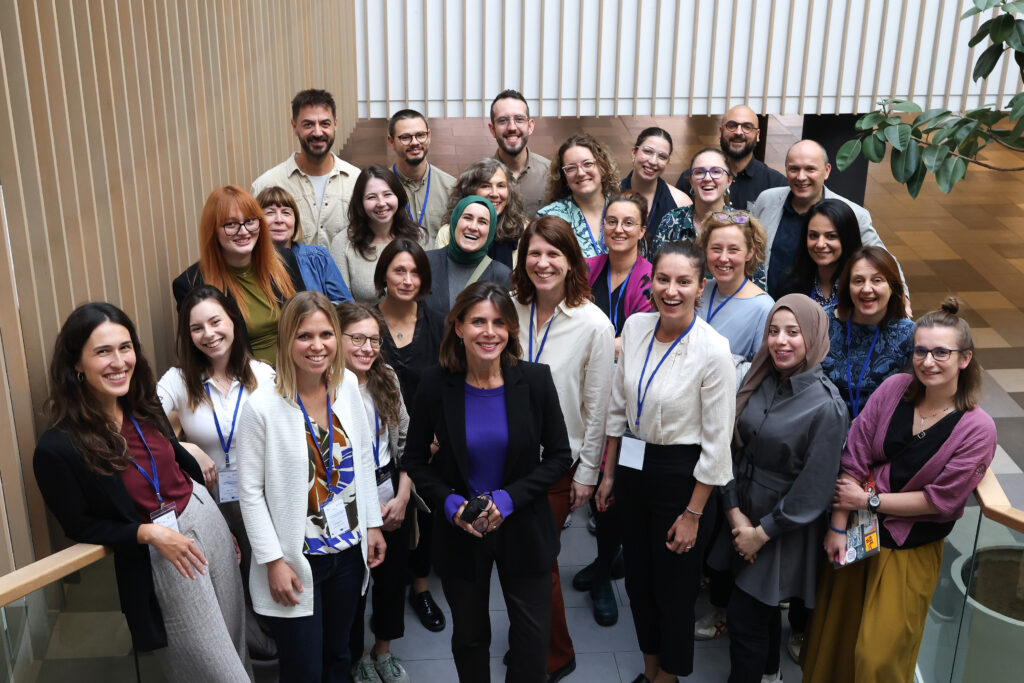
Foto: Anto Magzan
“Until the 2020s, emigration was the norm in the countries of Eastern, Central and South-Eastern Europe. However, in recent times, an increasing number of migrant workers have been arriving in the region, and the return of those who had previously emigrated has also become commonplace,” said Bendegúz Tikász, who also spoke about the relevance of the research and the importance of civil society participation. He added that the research examines not only changes in migration trends but also the societal response. The integration of foreign workers is vital for creating a more liveable society, which cannot be achieved without an inclusive attitude on the part of the local population.
“Civil society participation is important so that their views are taken into account, and so that, at the end of the research, the study does not remain a document confined to a closed academic circle. It is essential that its content and lessons reach the public,” emphasised Bendegúz. Migration is a phenomenon that affects everyone, and with the right knowledge, society can adopt a much more open attitude towards it.
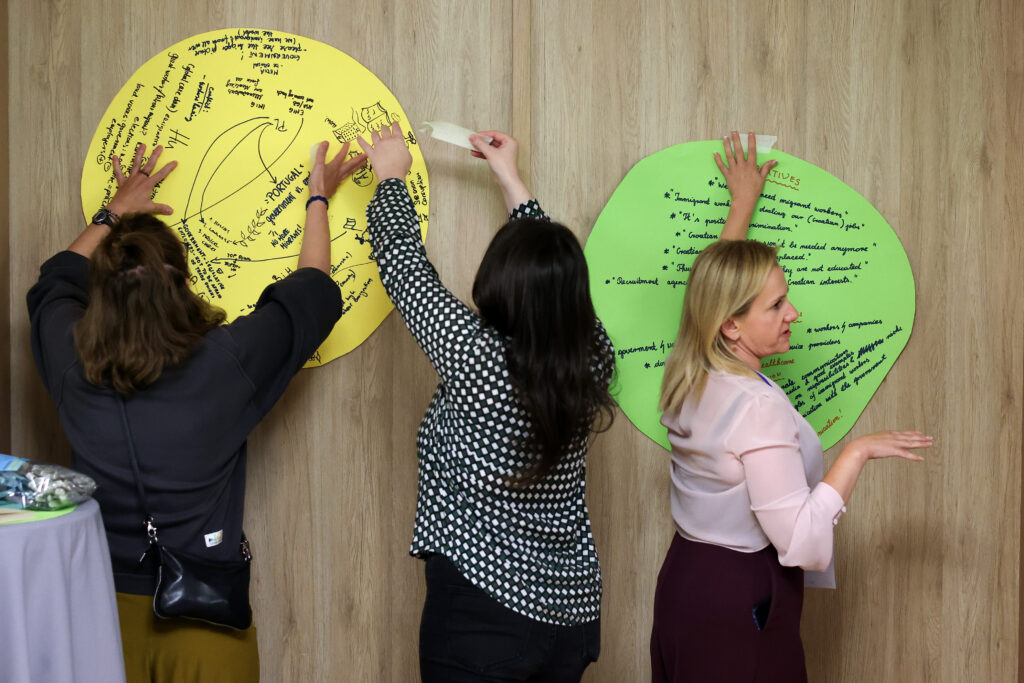
Foto: Anto Magzan
Cross-sectoral cooperation takes the form of regular meetings and discussions. In future, affected employees and communities (such as sports or cultural organisations) will also be invited to these.
The Power of Humanity Foundation was brought into the programme by THE CIVICS Innovation Hub. The two organisations have previously collaborated on several joint projects. The foundation brings together the Hungarian researchers and organisations participating in the project, coordinates the joint work and ensures the active involvement of citizens.
“Although the Power of Humanity Foundation has not previously dealt specifically with migration issues, as a human rights organisation this is a very important matter for us too, and we expect to gain a great deal of new experience through this work,” said Bendegúz, concluding his remarks on why this project is important to the foundation.
Written by Sára Vermes.

Founded by the ERSTE Foundation.
Labour Migration and Demographic Change. A Blueprint for Shaping Immigration Societies in Central, Eastern and Southeastern Europe (2026-2028) is a project by ERSTE Foundation and THE CIVICS Innovation Hub, in cooperation with the Power of Humanity Foundation and the Alternative Communities Association.